Handling a credit card can sometimes feel overwhelming. You want the rewards and convenience, but one slipup can leave you wondering why your financial health took a hit. That’s where your credit score comes into play.
But, nearly half of Indian consumers have never even checked their credit score, which can mean missed opportunities and unexpected loan troubles later on.
How you use your credit card influences more than just your monthly statement. Spending habits, payment timing, and how much of your available credit you use all feed into that three-digit number lenders look at.
Therefore, getting these habits right can make your credit card a tool that builds your financial confidence rather than slowly eroding it.
Understanding Credit Scores
A credit score is a three-digit number that shows how reliable you are at borrowing and repaying money. In India, it typically ranges from 300 to 900, with higher scores opening doors to better loans and credit card offers.
Lenders look at several factors, including your payment history, total debt, length of credit history, and types of credit used. This is where credit card behavior becomes crucial. Your spending habits, timely payments, and overall usage all influence the score.
Essentially, how you manage your credit cards can make or break your creditworthiness. That’s why knowing that credit card usage affects your credit score is the first step toward smarter financial decisions and long-term financial health.
What Is Credit Card Usage?
Credit card usage is more than just swiping for purchases. It’s about how you manage the balance, your spending limits, and timely payments. A key concept here is the credit utilization ratio, which compares your current balance to your total credit limit.
For example,
- If your card limit is ₹50,000 and you’ve spent ₹20,000, your utilization is 40%. Experts recommend keeping this below 30% to maintain a healthy credit score.
Your spending patterns, payment habits, and even how often you use your card all feed into this calculation. Understanding these details is important because credit card usage affects your credit score directly.
Moreover, it influences how lenders view your financial responsibility and how much trust they place in you for future credit.
How Credit Card Usage Affects Your Credit Score
Your credit card isn’t just a way to pay for things, it’s a window into your financial habits.
Understanding these factors helps you see why credit card usage affects your credit score more than you might think.
-
Payment Timeliness
Paying your credit card bill on time is one of the easiest ways to protect your credit score. Even missing a payment by a few days can signal risk to lenders. Automating payments or setting reminders ensures consistency and avoids unnecessary penalties.
On-time payments show responsibility, which is why how and when you pay is a key part of how credit card usage affects your credit score. Over time, this habit builds a positive credit history.
-
Frequency of Credit Card Use
Using your card regularly for everyday purchases can actually help your credit score. It builds a track record of activity without showing overspending. On the other hand, rarely using your card can limit the credit history that lenders see, while excessive spending can raise red flags.
The sweet spot is consistent, responsible usage, small, regular payments that you clear on time. This habit helps demonstrate that your financial behavior is reliable.
-
Credit Utilization Ratio
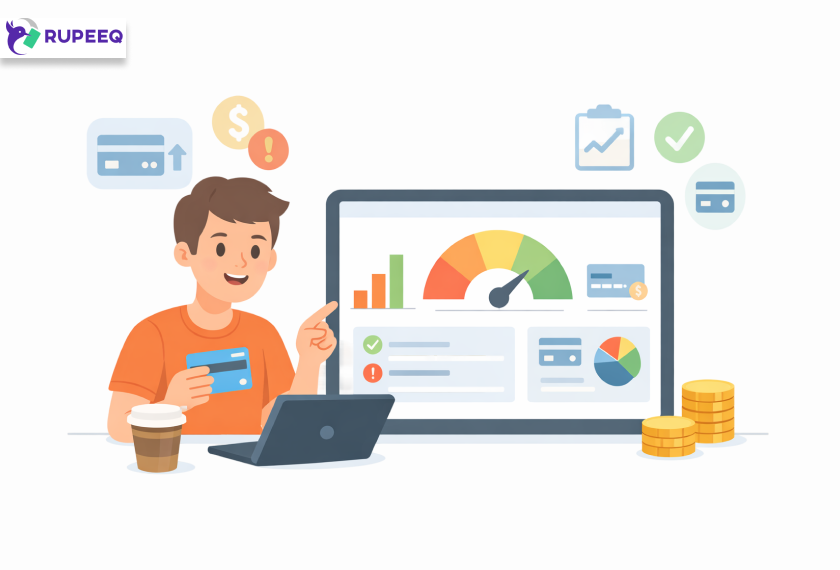
Your credit utilization ratio is the amount you owe compared to your total credit limit. Experts recommend keeping this under 30 percent, because maxing out your card can hurt your score.
Regularly checking balances and spreading expenses across cards can help. By keeping your utilization low and manageable, you show lenders that you can handle credit responsibly. This is another clear example of how credit card usage affects your credit score.
-
Number of Credit Cards
Having multiple credit cards can be beneficial if managed well, but too many opened in a short period can hurt your score. Each new application results in a hard inquiry, which temporarily lowers your score.
Maintaining a few cards over the long term shows stability, while juggling too many can signal risk. Smart management of your cards reflects positively on your creditworthiness and shows you understand responsible borrowing.
-
Credit Age and History
The age of your credit accounts matters. Older cards with a clean history show lenders that you’ve been responsible over time. Closing long-standing accounts can shorten your average credit age and lower your score.
On the flip side, consistently managing your cards well builds trust and demonstrates financial stability. A steady history of responsible card use makes a big difference in how lenders view you and reinforces why credit card usage affects your credit score.
Common Mistakes That Harm Your Credit Score
Even small missteps with your credit card can add up and affect your score over time. Many people don’t realize that simple habits like overspending or missing payments can have long-term consequences. Knowing what to avoid helps you stay in control and protect your financial health.
-
Maxing Out Your Credit Cards
Even with a good credit score, using your card to its full limit might seem harmless, but it can drastically raise your credit utilization ratio. High balances make lenders nervous and can lower your score quickly. Even if you pay off your bill on time, consistently maxing out your card sends a signal that you rely too heavily on credit.
-
Only Paying the Minimum
Paying just the minimum amount due may keep you out of trouble temporarily, but it leads to accumulating interest and a slower reduction in debt. Over time, this habit can hurt your credit score and keep your finances tied up. Clearing more than the minimum each month shows responsibility.
-
Frequently Applying for Credit Cards
Opening multiple credit cards in a short span may seem convenient for rewards, but it generates multiple hard inquiries. Each inquiry can slightly lower your credit score. Responsible spacing of new accounts is better. Avoid impulsive decisions when applying for credit cards, as this ensures your credit remains healthy.
-
Ignoring Credit Card Statements
Not reviewing your statements regularly can lead to missed errors or unnoticed charges. Missing a fraudulent transaction or due date can hurt your credit score. Staying on top of your statements helps maintain control and ensures your spending habits remain positive and responsible.
Tips to Optimize Your Credit Card Usage
Using your credit card wisely can turn it into a powerful tool for building your credit score instead of hurting it. Small, consistent habits make a big difference over time. Start with checking credit score frequently, then follow these:
- Keep Utilization Low: Try to use less than 30 percent of your available credit. This shows lenders that you can manage credit responsibly and helps improve your score gradually.
- Pay Bills on Time: Set reminders or automate payments to avoid late fees. Paying your full balance whenever possible keeps interest at bay and strengthens your credit history.
- Use Cards for Regular Small Purchases: Using your card for everyday expenses like groceries or fuel, and paying them off promptly, builds a positive credit pattern without overspending.
- Monitor Your Credit Score: Check your score regularly and track how your habits affect it. Knowing the impact of your actions helps you stay in control and make smarter choices.
Conclusion
Managing your credit card wisely is about more than just avoiding debt, it’s about building a strong financial future. From timely payments to smart spending, every habit contributes to your creditworthiness.
Remember, credit card usage affects your credit score, so being mindful of your habits can open doors to better loans and card offers.
Explore Rupeeq to compare credit cards from top banks, find the best fit for your lifestyle, and take control of your financial health today.
FAQs
1. How does credit card usage affect my credit score?
Your spending habits, payment history, and credit utilization all impact your credit score. Responsible usage builds a positive record, while late payments or maxing out cards can lower it.
2. What is the ideal credit utilization ratio?
Experts recommend keeping your credit utilization under 30 percent. This shows lenders you can manage credit responsibly, which directly influences your credit score.
3. Can having multiple credit cards hurt my score?
Having multiple cards isn’t bad if you manage them well. The key is to pay on time and keep utilization low. Poor management, however, can negatively affect your credit score.
4. How often should I check my credit score?
Checking your score once every few months is sufficient. Frequent monitoring helps you track how credit card usage affects your credit score and spot issues early.
5. Do closing old credit cards affect my credit score?
Yes, closing older cards can reduce your average credit age, which may lower your score. Keep long-standing accounts active if possible while managing balances responsibly.