Easy credit has changed the way Indians manage money. From instant personal loans to credit cards and Buy Now Pay Later options, funds are now available within minutes. While this has improved financial access, it has also led many borrowers into repayment stress due to multiple EMIs and high interest obligations.
To prevent this growing problem, the Reserve Bank of India and responsible fintech platforms are working together to promote disciplined borrowing habits. Their combined efforts are helping individuals move from unplanned debt cycles toward structured financial control.
Understanding the Rising Debt Trap Problem in India
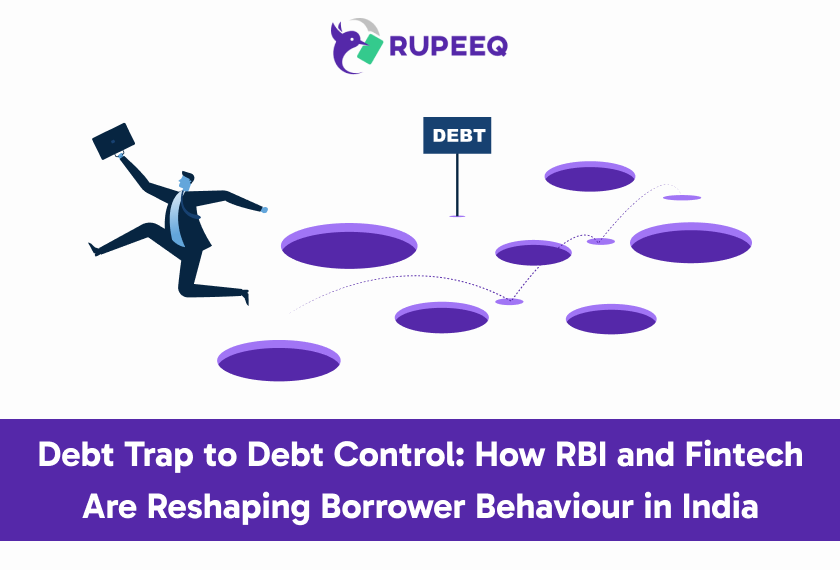
A debt trap begins when borrowers take new loans to repay older ones. Over time, interest keeps increasing while the original loan amount reduces very slowly. This cycle creates long term financial pressure.
Many urban borrowers fall into this situation without realizing how quickly liabilities can accumulate. The convenience of digital loans often hides the real cost of borrowing.
Why Borrowers Commonly Fall Into Debt Traps
Borrowers usually enter risky debt cycles due to a mix of financial urgency and lack of planning. The most common triggers include:
- Managing multiple loans without tracking total repayment obligations
- Paying only minimum dues on credit cards while interest keeps accumulating
- Taking small instant loans from multiple apps
- Missing EMIs which results in penalties and late fees
- Using new credit to repay older loans
As repayment pressure increases, borrowers may depend on even costlier loans, worsening their financial stability.
RBI’s Push for Credit Discipline and Responsible Borrowing
The Reserve Bank of India plays a crucial role in maintaining financial stability. Recognizing the risks of uncontrolled digital lending, RBI has introduced stricter regulations to protect borrowers and improve credit culture.
These measures aim to ensure that borrowing remains transparent, regulated, and aligned with repayment capacity.
Key Areas Where RBI Is Strengthening the Lending Ecosystem
- Regulating digital lending platforms
- Ensuring clear disclosure of loan terms and interest rates
- Preventing unauthorized loan apps from exploiting borrowers
- Promoting fair recovery practices
- Encouraging financial literacy among borrowers
By tightening lending norms, RBI is guiding borrowers toward structured and responsible credit usage.
How Fintech Innovation Is Supporting RBI’s Vision
Modern fintech platforms are not just making loans faster. They are using technology to improve credit decision making and borrower awareness.
Advanced digital systems now help borrowers understand loan costs, compare options, and manage repayments efficiently. Technology reduces guesswork and promotes informed financial choices.
Fintech Tools Encouraging Better Borrower Behaviour
- Real time credit assessment through bureau integrations
- AI-driven eligibility checks that prevent over borrowing
- Transparent dashboards showing total loan costs
- Automated reminders that reduce missed EMI risks
- Secure digital documentation for safer processing
These tools ensure convenience without compromising borrower safety.
From Debt Trap to Debt Control Through Debt Consolidation
One of the most effective ways borrowers regain financial control is through debt consolidation. It combines multiple loans into one structured loan with a single EMI.
Instead of juggling different lenders, interest rates, and due dates, borrowers manage one predictable repayment plan.
Example of Repayment Burden Before Consolidation
| Loan Type | EMI | Interest Rate |
| Personal Loan | ₹6,000 | 15 percent |
| Credit Card Dues | ₹5,000 | 36 percent |
| Consumer Loan | ₹3,000 | 18 percent |
| Total EMI | ₹14,000 | Mixed |
After Debt Consolidation
| Consolidated Loan | EMI | Interest Rate |
| Single Loan | ₹10,800 | 12.5 percent |
A structured repayment reduces EMI pressure and simplifies financial planning.
Debt consolidation supports RBI’s goal of promoting disciplined borrowing by replacing scattered liabilities with a manageable repayment structure.
Role of Credit Score in Responsible Borrowing and Debt Management
Credit score awareness is becoming central to borrower behaviour. Lenders evaluate credit scores to determine repayment reliability and loan pricing.
Borrowers who monitor their credit health regularly are more likely to secure better interest rates and avoid risky financial decisions.
Even a small improvement in credit score can reduce long term borrowing costs.
RupeeQ Tip: Check your credit score for free on RupeeQ and access RupeeQ ACE insights to understand how lenders evaluate your credit profile. This helps you make smarter borrowing decisions.
Behavioural Shift: How RBI Regulations and Fintech Are Changing Borrower Habits
The combined influence of regulation and technology is transforming borrower behaviour across India.
Earlier, many borrowers focused only on quick loan approvals. Today, there is growing awareness about loan affordability, repayment planning, and credit health.
Borrowers are gradually moving toward:
- Comparing loan offers before applying
- Understanding total interest costs instead of just EMI amounts
- Choosing regulated lenders for safer borrowing
- Monitoring credit reports regularly
- Preferring structured repayment solutions like debt consolidation
This behavioural change is helping individuals avoid financial stress and build stronger credit profiles.
How RupeeQ Helps Borrowers Move Toward Financial Control
RupeeQ supports responsible borrowing by acting as a marketplace that connects users with regulated banks and NBFCs. It simplifies the process of choosing suitable loan products while ensuring transparency and compliance.
Borrowers can compare interest rates, evaluate EMI options, and identify suitable debt consolidation plans without visiting multiple lenders.
RupeeQ’s Responsible Lending Approach
- Partnerships with regulated financial institutions
- Transparent loan comparison tools
- Smart eligibility assessment based on credit profile
- Secure handling of financial data
- Guidance for structured debt solutions
RupeeQ Tip: If multiple EMIs are affecting your monthly budget, RupeeQ’s comparison tools can help you evaluate how debt consolidation may reduce your repayment burden.
Building a Stronger Credit Culture for India’s Financial Future
India’s financial ecosystem is evolving from quick credit access to responsible credit management. RBI regulations are ensuring transparency and safety, while fintech platforms are simplifying financial decision making.
Debt consolidation plays a crucial role in this transformation by helping borrowers replace financial chaos with structured repayment systems.
Individuals who adopt disciplined borrowing habits are better positioned to achieve important financial goals such as home ownership, business growth, and long term wealth creation.
Conclusion
The shift from debt trap to debt control is driven by a powerful combination of RBI regulation and fintech innovation. While RBI is strengthening lending discipline through strict guidelines, fintech platforms are making financial tools more accessible and transparent.
Debt consolidation stands out as a practical solution that simplifies repayment, reduces financial stress, and promotes credit discipline. Platforms like RupeeQ.com further support borrowers by offering regulated loan options, transparent comparisons, and credit awareness tools.
As borrower behaviour becomes more informed and structured, India moves closer to a healthier and more stable credit ecosystem.