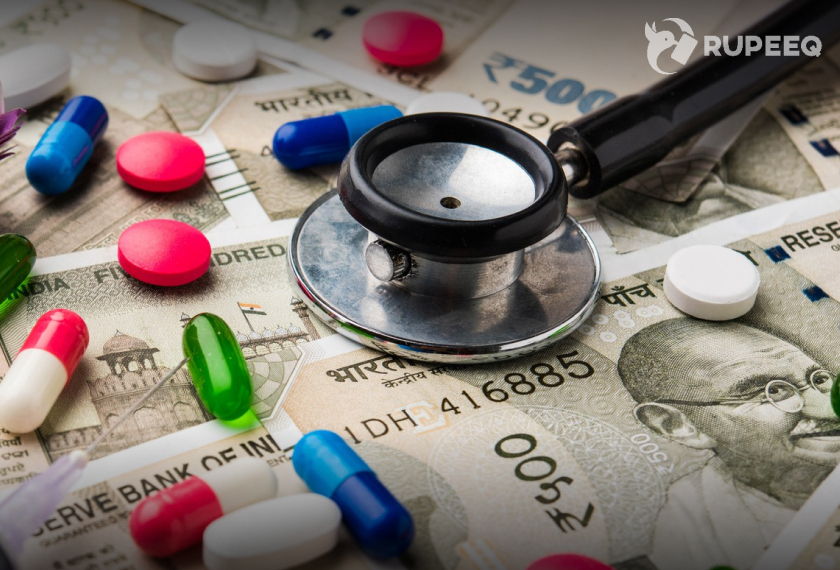
A medical emergency does not wait for a good time. One unplanned surgery or a long treatment cycle, and years of savings can disappear before you have even processed what happened.
Indians pay around 39.4% of their total health expenditure out of their own pockets, according to WHO Global Health Expenditure data, one of the highest rates in the world.
So if your insurance does not cover the full bill, a personal loan for medical bills is worth understanding before you actually need one. This guide covers the full process, from checking eligibility to getting funds in your account.
What Is a Personal Loan for Medical Bills?
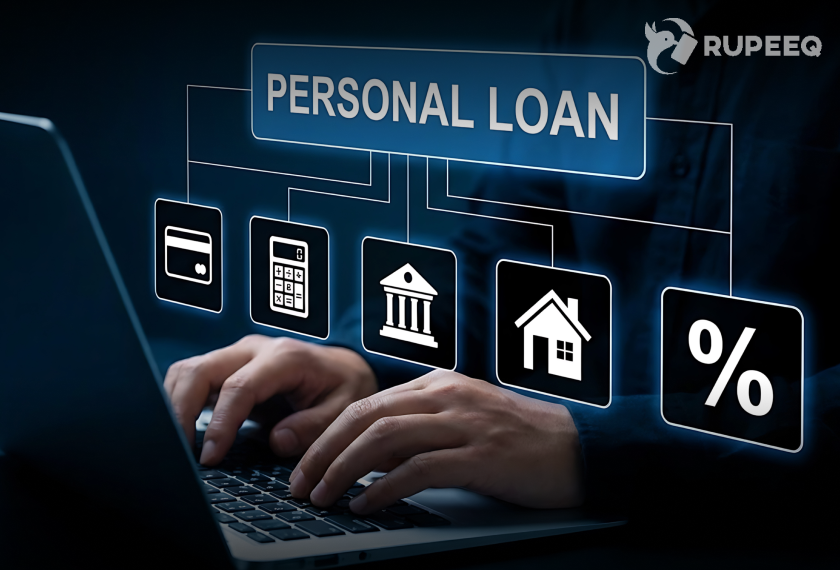
A personal loan for medical bills is an unsecured loan you can use to pay for hospitalisation, surgery, medicines, diagnostics, or post-operative care.
You do not need collateral, and unlike insurance, there are no restrictions on what the money can cover. You get the funds in your account and use them wherever the treatment requires.
| Feature | Typical Range |
| Loan Amount | Rs. 10,000 to Rs. 25 lakh |
| Interest Rate | 10.5% to 36% per annum |
| Repayment Tenure | 6 months to 5 years |
| Collateral Required | None |
| End-use Restriction | None |
RupeeQ Tip: Choose your loan amount and repayment time carefully. A longer time means smaller EMI, but you will pay more total interest.
Why Choose a Personal Loan Over Other Options for Medical Expenses?
A lot of people default to credit cards or borrowing from relatives when a health crisis hits. Here is why a personal loan often works better:
- No collateral needed
- Funds arrive in hours, not days
- Fixed EMI makes budgeting predictable
- No restriction on what you spend the money on
- Loan limits go much higher than most credit cards
For example, if a hospitalisation bill comes to Rs. 3 lakh and insurance only settles Rs. 1.2 lakh, a personal loan can cover the remaining Rs. 1.8 lakh cleanly, without the interest spiral that a credit card balance would create over several months.
What is My Eligibility Criteria for a Medical Emergency Loan in India
Before you apply, check whether you meet the basic requirements. Most lenders look for:
- Age between 21 and 60 years
- Monthly income of at least Rs. 15,000 (salaried)
- consistent ITR for self-employed
- CIBIL score of 700 or above
- At least 6 months in current job (salaried)
- 1 to 2 years of business experience (self-employed)
- Valid Indian address proof
RupeeQ Tip: If your credit score is low, applying with a family member who has a better score can improve your chances of approval.
Which Documents are Required for a Personal Loan for Medical Bills
The paperwork is minimal, especially on digital platforms. Keep these ready, as most lenders follow a standard list of documents required for a personal loan:
- Aadhaar card and PAN card
- Last 3 months’ salary slips or latest ITR
- Last 3 to 6 months’ bank statement
- Address proof (utility bill or rental agreement)
- Employment proof (offer letter or employer ID)
RupeeQ Tip: Make sure your name on Aadhaar, PAN, and bank account matches exactly. Even a small spelling difference can delay verification and slow down disbursal.
Step-by-Step Process to Apply for a Medical Emergency Loan
Getting a medical emergency loan through a digital lender takes less than 30 minutes from start to submission.
- Use the lender’s eligibility checker to get a pre-approval estimate
- Select your loan amount and repayment tenure
- Fill in your personal, employment, and income details
- Upload documents or link your account via Account Aggregator
- Complete video KYC, which most platforms process in under 5 minutes
- Review the Key Fact Statement before signing
- Sign the agreement digitally via Aadhaar OTP
- Receive funds directly in your bank account
RupeeQ Tip: Read the Key Fact Statement carefully before signing. If a lender does not provide one, that is a regulatory violation and a reason to walk away.
How Can I Compare Lenders for an Online Loan for Medical Bills
Not all lenders are the same. Here is what to look at side by side:
| Factor | What to Check |
| Interest Rate | Compare APR, not just the headline rate |
| Processing Fee | Ranges from 0.5% to 3% of loan amount |
| Disbursal Speed | Ask specifically about same-day disbursal |
| Prepayment Charges | Look for free prepayment after lock-in period |
| RBI Registration | Verify on RBI’s Digital Lending Apps Directory |
| Grievance Support | Lender must have a designated redressal officer |
Two lenders offering 14 percent interest can have very different APRs once processing fees, insurance add-ons, and other charges are factored in. Always go by APR when comparing.
RupeeQ Tip: Do not choose a loan based only on a low interest rate. Also check fees and the total amount you will repay.
Tips to Get Quick Approval on Your Medical Loan
A few practical steps that genuinely improve your chances and speed up the process:
- Clear overdue EMIs or credit card dues before applying
- Keep EMI within 40–50% of your monthly income
- Choose digital NBFCs or fintech lenders for faster processing
- Keep all documents ready before you apply
- Avoid applying to multiple lenders at the same time
RupeeQ Tip: Keep your documents ready and avoid applying to many lenders at the same time. This helps you get faster approval.
What to Watch Out for When Taking an Unsecured Medical Loan
A few things worth being careful about before you commit to a loan:
- Hidden charges
- Fraudulent apps
- Borrowing more than needed.
- The cooling-off period
RupeeQ Tip: Before applying, check your credit score using RupeeQ ACE. A score above 700 gets you faster approval and lower interest rates from top lenders.
Key Takeaways
Medical emergencies are hard enough without a financial crisis running alongside them. Here is what to keep in mind before you apply:
- A personal loan for medical bills is unsecured, so no asset is at risk
- Funds can reach your account within hours on digital platforms
- Always check the APR, not just the advertised interest rate
- Read the Key Fact Statement before signing anything
- Borrow only what the treatment requires
- A CIBIL score above 700 gets you faster approval and better rates
- If your score is low, a co-applicant can make a real difference
RupeeQ.com helps you check your eligibility, compare lenders, and apply in one place so that when a health crisis hits, your financial response is the one thing you do not have to worry about.
Frequently Asked Questions
Can I get a personal loan for medical bills without a good credit score?
Yes. Several NBFCs offer loans to applicants with a CIBIL score between 600 and 700, particularly if your income is stable or you apply with a co-applicant.
How quickly can I get an emergency loan for medical expenses in India?
Most digital lenders disburse within a few hours of approval. Same-day transfers are possible if your documents and bank details are complete.
What is the maximum loan amount I can get for hospital bills?
Depending on your income and lender, you can borrow between Rs. 10,000 and Rs. 25 lakh.
Is a personal loan better than a credit card for paying medical expenses?
For large bills, yes. A personal loan offers a lower interest rate, a higher borrowing limit, and fixed EMIs that are easier to manage over time.
What documents are needed to apply for a medical emergency loan online?
Aadhaar, PAN, last 3 months’ salary slips or ITR, bank statement, and address proof. Most digital platforms process everything paperlessly.